I make complex software feel obvious.
Eleven years of enterprise work. Telecom checkout, payments, trade-ins, an API marketplace. Lately the customers aren’t always human, so I design the screens where a person confirms what the AI decided.
T-Mobile · API Marketplace
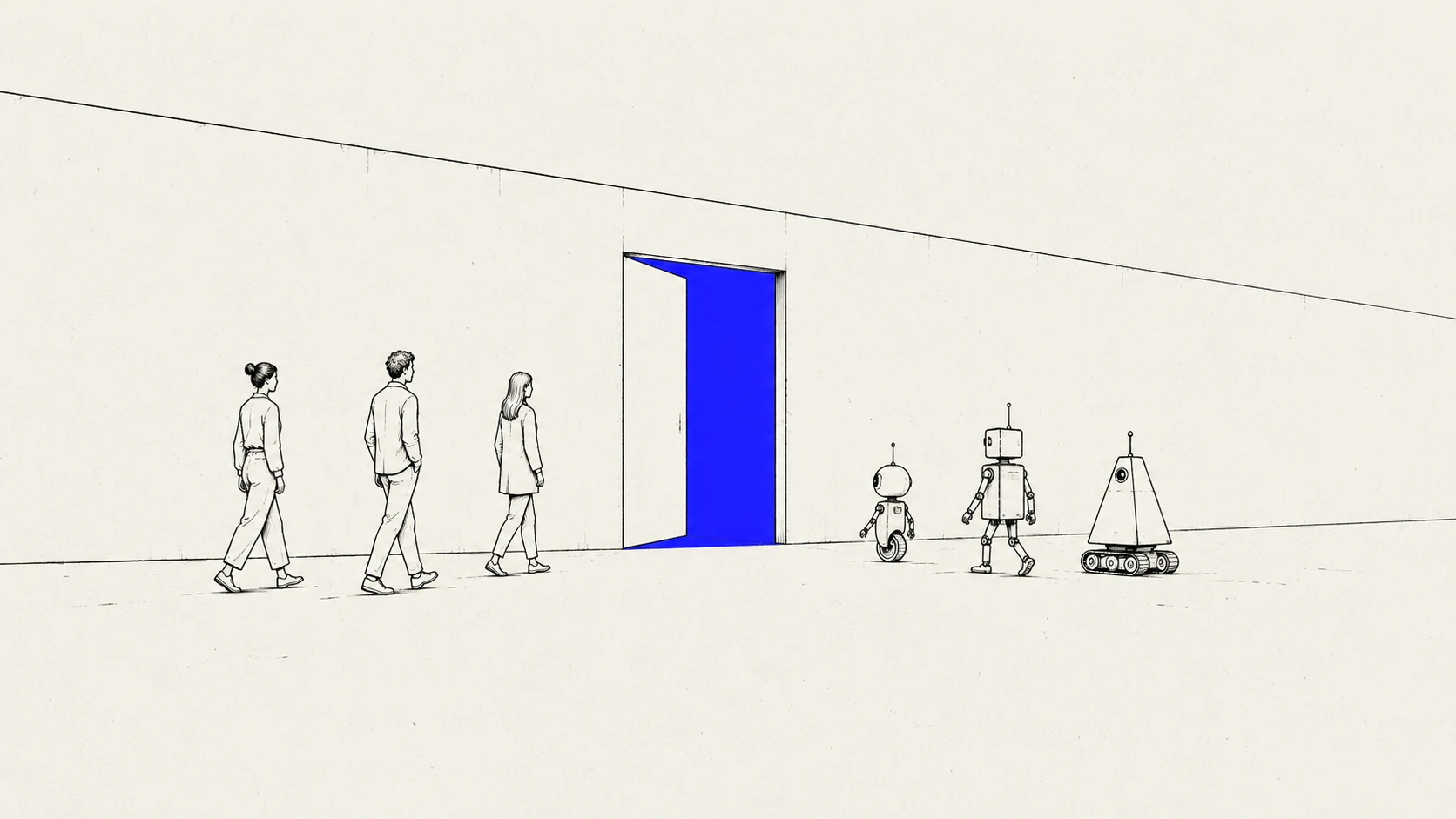
This store’s customers might not be human. AI agents place orders. So I designed the flow where the model interprets the request and a person confirms it on screen before anything ships. Built and validated in demo. An enterprise order projected to drop from 2–4 hours to 10–20 minutes.
Read the case study →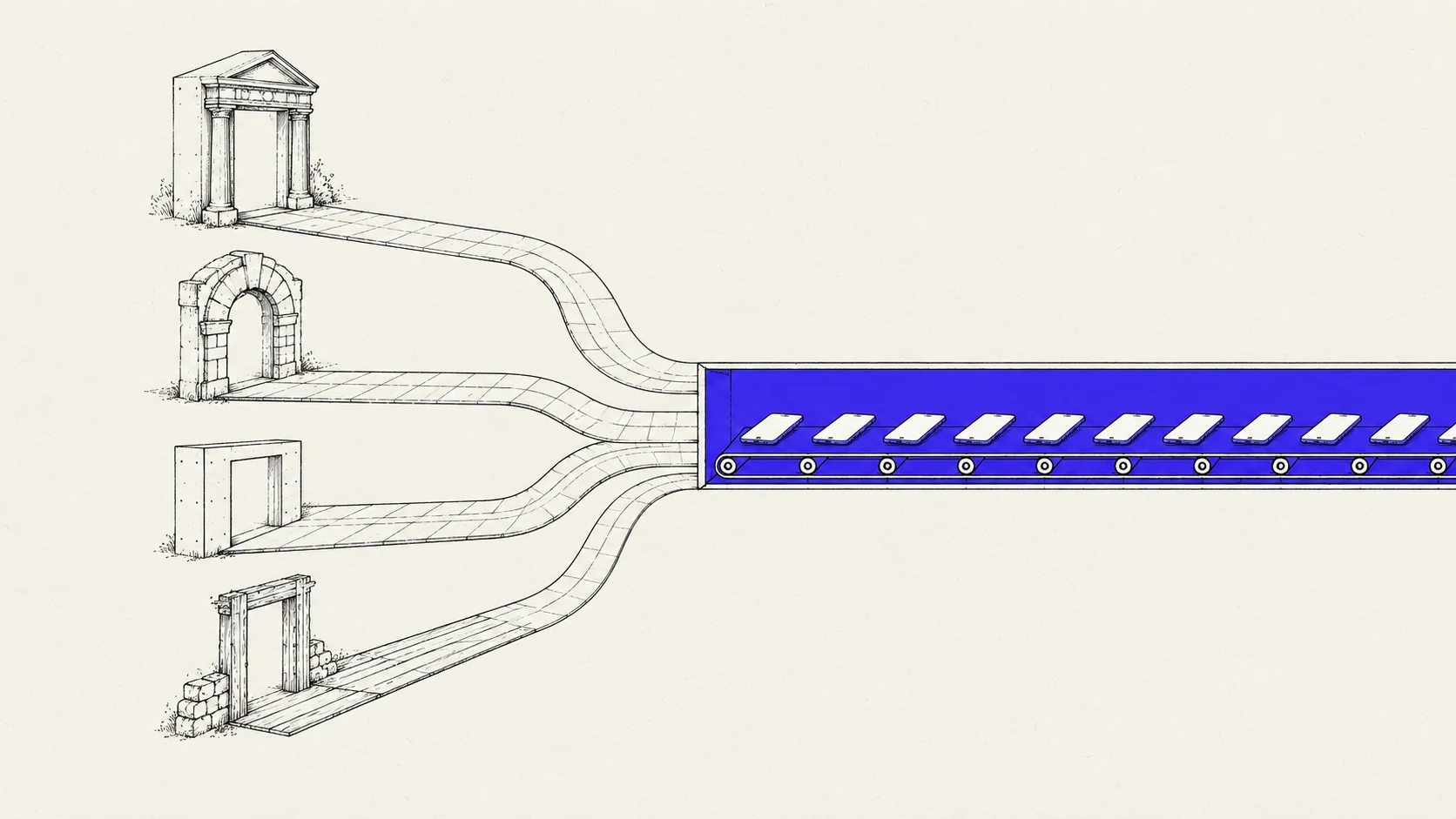
T-Mobile · Trade-in
Four systems each had their own trade-in flow. We shipped one flow for all of them, across every surface, in 2 months. Business clients finished ~10% more orders after that.
Read the case study →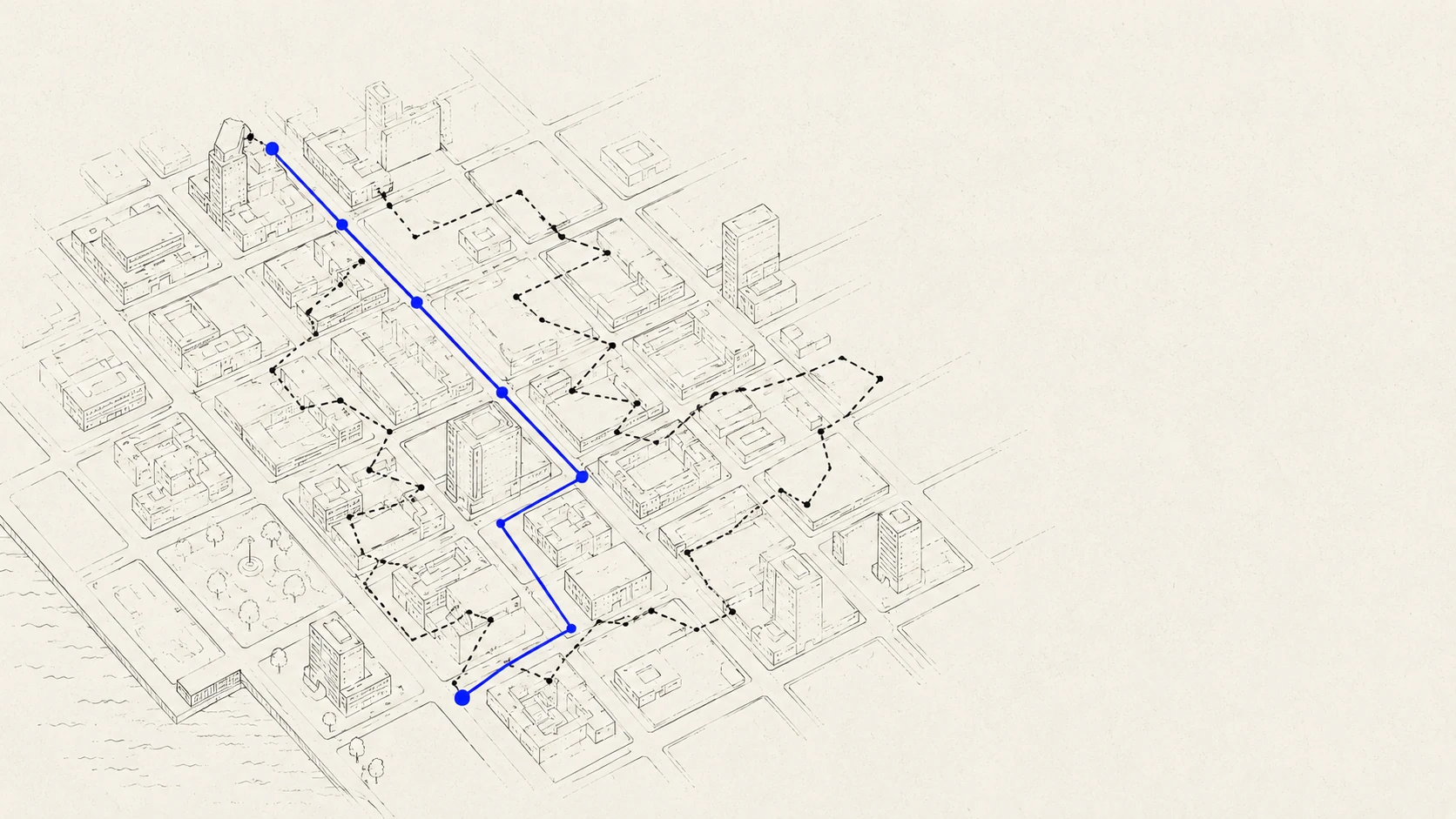
Compas · In progress
Every planning tool shows the map or the clock, never both. Compas links them. Drag the route and the schedule reacts, because a zigzag across town has a cost and you should see it before you commit. Still in discovery. Documented as it happens.
Follow the work →What colleagues say
“I knew I could always rely on him to take on the most complicated product design projects and manage them from start to finish… a finesse of creative problem-solving in extremely challenging circumstances.”LinkedIn ↗
“His background as a Product Manager has given him a deeper understanding of backend technologies… he is even known to build out a variety of solutions to help Product Owners envision a feature while waiting for proper requirements.”LinkedIn ↗
“One of the most thorough and detail-oriented designers I’ve worked with at T-Mobile… always eager to make a product better than it was.”LinkedIn ↗
Got something tangled?
A flow that leaks orders. A system nobody can fully explain anymore. An AI feature that still needs a person in the loop. If you have one of those, I want to see it.
Book a chat